How to Adjust Horse Feed During Reduced Work

When your horse’s workload decreases, their nutrition plan may need to change, too. Whether the reason is the off-season, winter weather, an injury, stall rest, or simply fewer hours in the saddle, the goal is to match calorie intake to activity level while continuing to provide balanced nutrition.
That does not always mean drastically cutting your horse’s feed. Instead, take a closer look at forage, feed amounts, body condition, and the nutrients your horse still needs. With a few thoughtful adjustments, you can be sure your horse’s diet supports healthy weight, muscle condition, hoof quality, and overall wellness during periods of reduced activity.
Why Does My Horse’s Diet Need to Change During Reduced Work?
A horse that is working less will generally use less energy, but they still need essential nutrients. The right feeding adjustment helps balance those two needs.
Workload can change for many reasons. A show horse may move from an intense competition schedule to a quieter off-season. A trail horse may work regularly during spring, summer, and fall, but get less exercise when winter weather makes riding difficult. An injury may also require stall rest, limited turnout, or a gradual return to work.
Each situation is different. A healthy horse taking a seasonal break may have different needs than a horse recovering from an injury. That is why it is important to look at the whole horse, not just the number of hours spent working.
Consider:
- Current body condition
- Amount and quality of forage
- Turnout and movement
- Type and amount of horse feed
- Length of the reduced-work period
- Health concerns or veterinary restrictions
Regularly evaluating these factors can help you make practical adjustments before unwanted weight gain or loss of condition becomes a bigger concern.
What Should I Feed My Horse During Reduced Work?
Hay or another appropriate forage should remain the cornerstone of the feeding program. From there, choose a horse feed that fits your horse’s calorie needs, nutritional requirements, preferences, and feeding situation.
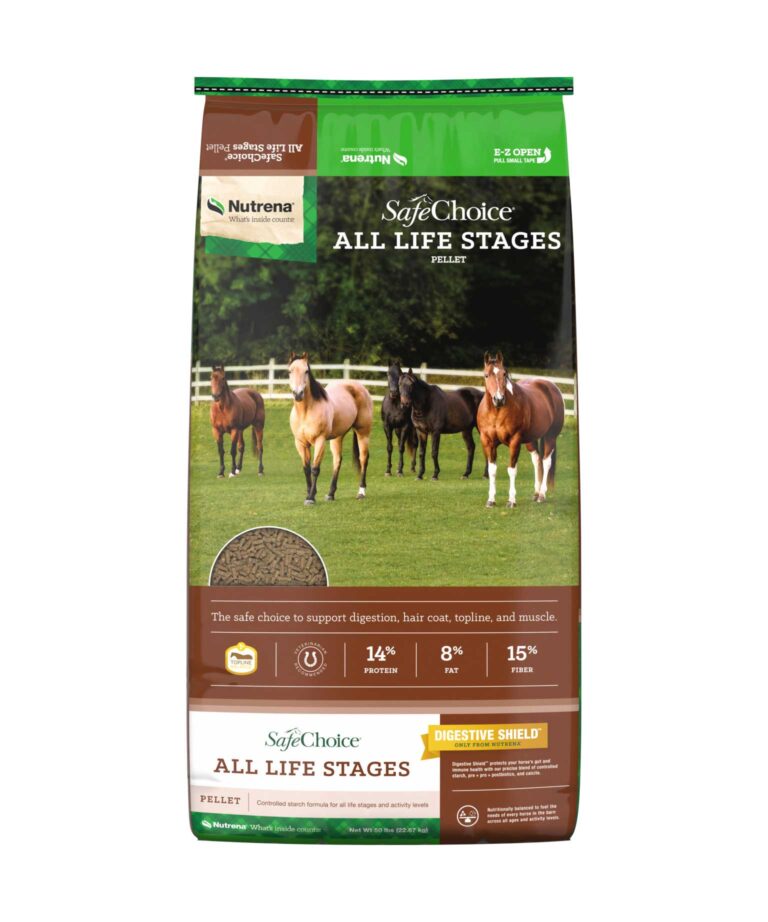
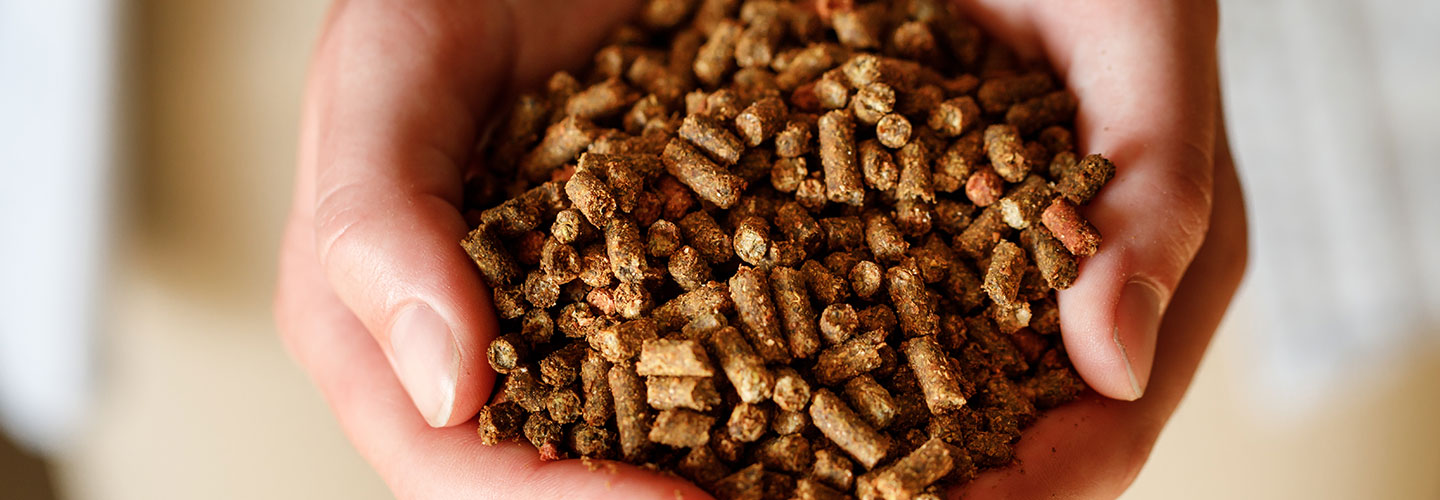
Horse feeds come in several forms, including pellets and textured feeds. Some formulas provide more calories or fat, while others are designed for horses with lower energy needs. The best choice is not simply the feed with the fewest calories. It is the option that provides appropriate nutrition when fed according to its label directions.
When evaluating a feeding program, ask:
- Is my horse maintaining an appropriate body condition?
- Am I feeding within the recommended range on the product label?
- Does my horse need fewer calories now that work has decreased?
- Is my horse receiving enough feed to obtain the nutrients the product is designed to provide?
- Would a concentrated diet balancer better fit the current situation?
If you are unsure, an equine nutritionist can help you compare options and build a plan around your horse’s forage, workload, body condition, and individual needs.
How Much Feed Should I Provide My Horse?
Weighing your horse’s feed gives you a more accurate picture of how much you are providing. A feed scoop, or coffee can will tell you volume, but does not necessarily tell you weight.
Different feeds can have different densities, so the same scoop may hold different weights depending on the product. To establish a consistent portion:
- Place an empty container or resealable bag on a scale or shipping scale.
- Set the scale to zero or subtract the weight of the empty container.
- Add the amount of feed you normally provide.
- Record the weight for future reference.
- Recheck the measurement when changing feeds or scoops.
Once you know how much your scoop holds, everyday feeding becomes simpler and more consistent. That little bit of homework can provide valuable peace of mind at feeding time.
Should I Cut Feed When My Horse Is on Stall Rest?
Do not assume that stall rest means you should simply eliminate or drastically reduce all feed. A horse may need fewer calories when activity decreases, but balanced nutrition still matters.
Begin by reviewing the maintenance or light-work recommendations on the feed label. Those directions can help you determine whether your current serving is appropriate for the horse’s new activity level.
If you reduce a traditional feed below its recommended feeding rate, your horse may not receive the vitamins, minerals, amino acids, and other nutrients the product is designed to provide. This can become especially important during longer periods of reduced work or recovery.
For horses that need fewer calories but still require complete nutrition, a ration balancer or concentrated feed may be a practical option. These products help support:
- Healthy topline and muscle maintenance
- Hoof quality
- Coat condition
- Digestive health
- Overall wellness
Work closely with your veterinarian and equine nutritionist if your horse is recovering from an illness or injury, as nutritional needs may vary depending on the situation.
How Do I Monitor My Horse’s Weight During Reduced Activity?
The best way to determine whether feeding adjustments are working is to monitor your horse’s body condition regularly.
Look beyond the number on the scale or weight tape. Evaluate:
- Fat cover over the ribs
- Neck and crest condition
- Topline muscle development
- Tailhead fat deposits
- Overall appearance and energy level
Monthly body condition scoring can help you identify small changes before they become major concerns. Long winter hair coats can hide weight gain or weight loss, so hands-on assessment is especially important.
If your horse begins losing condition unexpectedly, review forage quality, feed amounts, dental health, parasite control, and overall wellness with your veterinarian.
What About Easy Keepers During the Off-Season?
Easy keepers often require special attention when workloads decrease.
Because these horses maintain weight efficiently, continuing a high-calorie feeding program may lead to excess weight gain. Obesity can increase the risk of metabolic challenges and place additional stress on joints and hooves.
For easy keepers, consider:
- Evaluating forage quality and quantity
- Feeding according to body condition rather than habit
- Selecting an appropriate low-calorie or low-NSC feeding program when recommended
- Encouraging turnout and safe movement whenever possible
- Monitoring weight and body condition regularly
The goal is not simply to feed less. The goal is to provide the right nutrition while maintaining a healthy body condition score.
What About Senior Horses During Reduced Work?
Senior horses may require a different approach.
Even when older horses are working less, they may still need additional nutritional support to maintain weight, topline, and overall condition. Changes in dental health, digestion, and nutrient utilization can influence feed choices.
Pay close attention to:
- Body condition changes
- Feed intake
- Chewing efficiency
- Manure consistency
- Hydration status
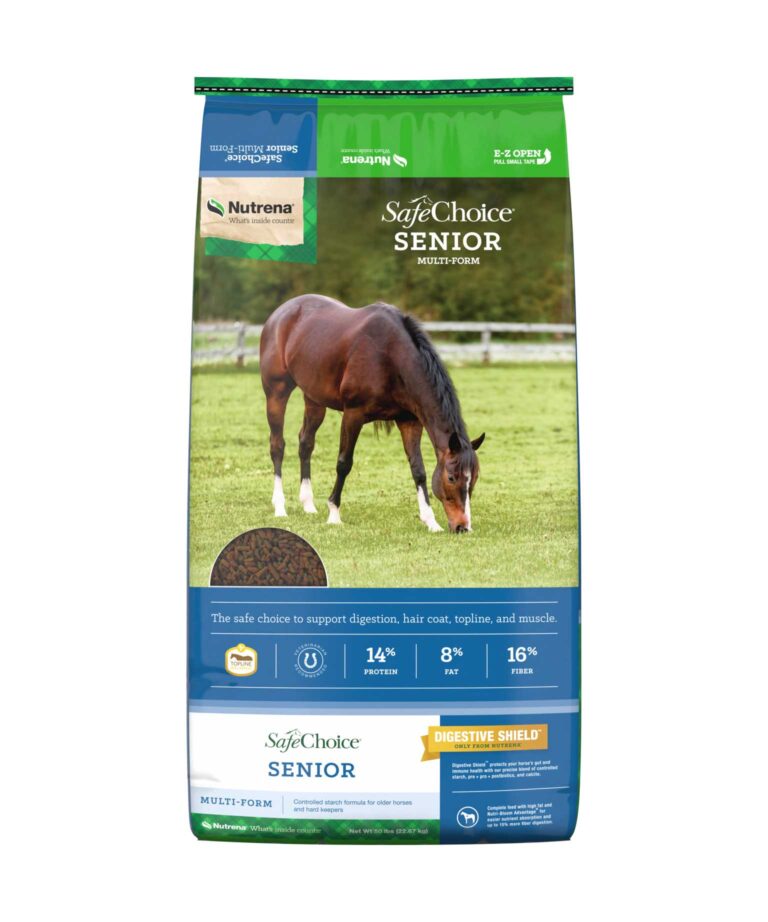
A quality senior horse feed may help support condition and nutrient intake, particularly for older horses that struggle to maintain weight on forage alone.
Key Takeaways for Feeding Horses During Reduced Work
When your horse’s workload decreases:
- Keep forage as the foundation of the feeding program
- Monitor body condition regularly
- Weigh feed instead of relying on scoop size
- Adjust calories gradually rather than making dramatic changes
- Ensure your horse continues receiving balanced nutrition
- Work with your veterinarian or equine nutritionist when needed
Small feeding adjustments made early can help prevent unwanted weight changes and support your horse’s overall health during periods of reduced activity.
Be Sure Your Feeding Program Still Fits Your Horse
Every horse responds differently to changes in workload. Whether your horse is enjoying an off-season break, recovering from an injury, or simply getting fewer rides during winter, regular body condition evaluations and the right horse feed can help maintain health, topline, and overall wellness.
Is your feeding program the best fit for your horses? Use the Nutrena® Horse Feed Selector Tool to find a feed tailored to your horses age, activity level, and nutritional needs.