How to Choose Horse Feed for Hard Keepers
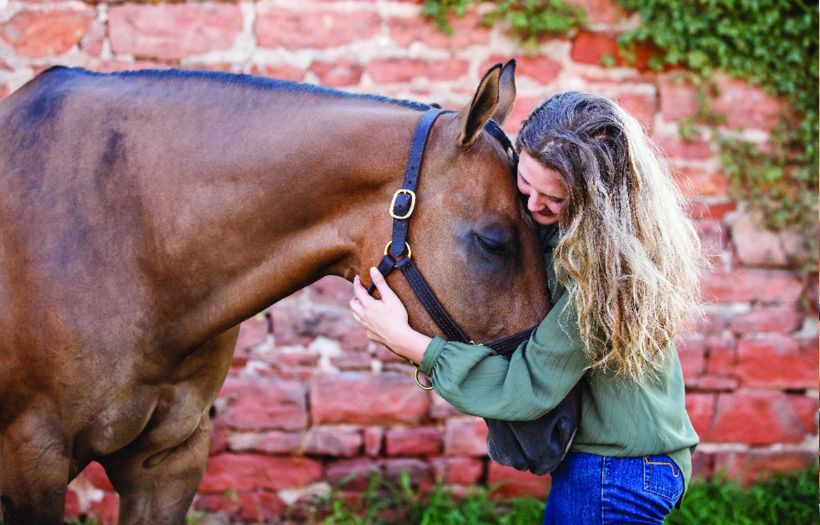
What is the best horse feed for hard keepers? Why do high-fat feeds help with weight gain? How does easily digestible fiber help nutrient absorption? Our equine nutritionists at Nutrena® brand break down some of these most frequently asked questions about how to choose horse feed for hard keepers and underweight horses, so you can feel confident that you are providing a nutritionally balanced diet for your horse’s specific life stage and activity level. Because here at Nutrena, we believe what’s inside counts®.
Table of Contents
Key Takeaways
- Choose horse feed for hard keepers by evaluating the horse’s condition, weighing them, and assessing other influencing factors.
- Focus on high-fat feeds, easily digestible fiber, and quality protein for better weight gain in underweight horses.
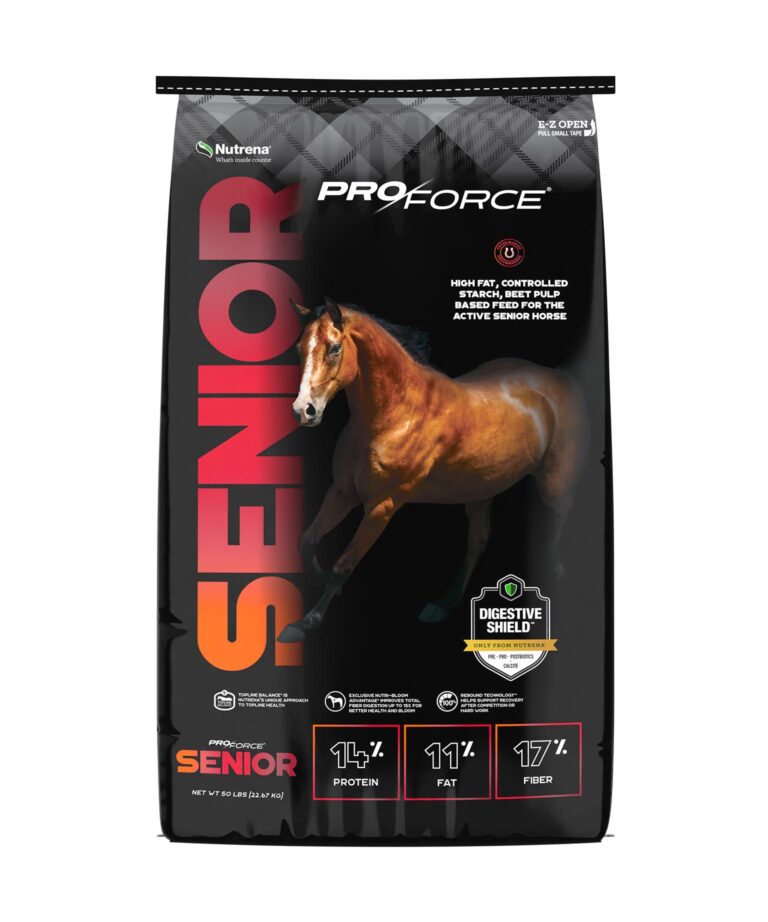
- Nutrena’s ProForce Fuel and SafeChoice products are excellent choices with balanced nutrition and gut support.
Before Feeding Underweight Horses and Hard Keepers
Before feeding underweight horses and hard keepers, it is important to establish a baseline for their condition by weighing them and evaluating their Body Condition Score (BCS). Both will be necessary to determine an ideal diet and how many pounds to feed per serving.
Evaluate Body Condition Score
For BCS, download a copy of the scorecard along with a tracking form here, and reference the nine-point scoring system below:
- 1 / Poor
- 2 / Very Thin
- 3 / Thin
- 4 / Moderately Thin
- 5 / Moderate
- 6 / Moderate to Fleshy
- 7 / Fleshy
- 8 / Fat
- 9 / Extremely Fat
Weigh Your Horse
For weighing your horse, use a scale or equine weight tape, which uses heart girth and body length to estimate weight. Depending on your horse’s age, use one of the following equations to estimate weight.
- Adult horse: (Heart Girth x Heart Girth x Body Length) ÷ 330 = Body Weight in pounds
- Yearling: (Heart Girth x Heart Girth x Body Length) ÷ 301 = Body Weight in pounds
- Weanling: (Heart Girth x Heart Girth x Body Length) ÷ 280 = Body Weight in pounds
Note: The above calculation is not accurate for all breeds. Additional equations for different breeds can be found through the University of Minnesota Extension.
Factors Impacting Weight Gain
In addition to establishing a baseline weight and BCS, be sure to also consider other factors that could be impacting your horse’s ability to gain weight or keep weight. Some questions to ask are:
- What is your horse’s age and activity level?
- How are your horse’s teeth?
- Does your horse have access to AND the ability to eat quality forage?
- What is your horse’s parasite load? Have they been dewormed appropriately?
- How well are they absorbing nutrients?
- Are there any other underlying health conditions or metabolic concerns?
If you’re unsure why your horse is a hard keeper, we always recommend working with your equine vet or scheduling a virtual consultation, so one of our equine nutritionists can help.
Diet Recommendations for Hard Keepers
Diet recommendations may vary depending on the cause for being underweight, but as a rule of thumb, here are some things to pay attention to on your feed tag:
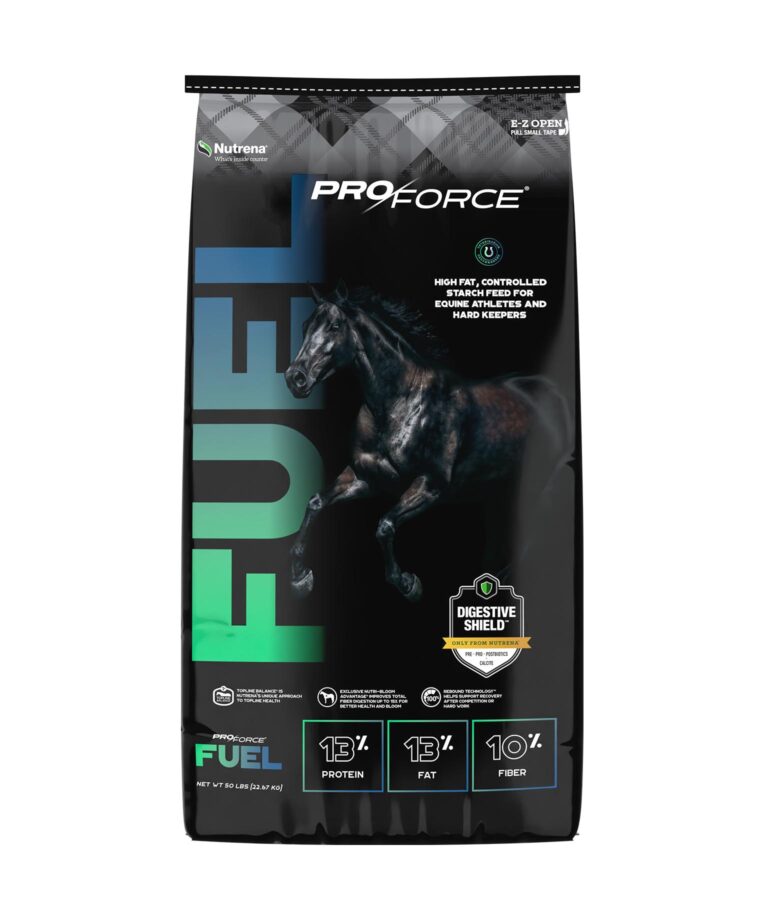
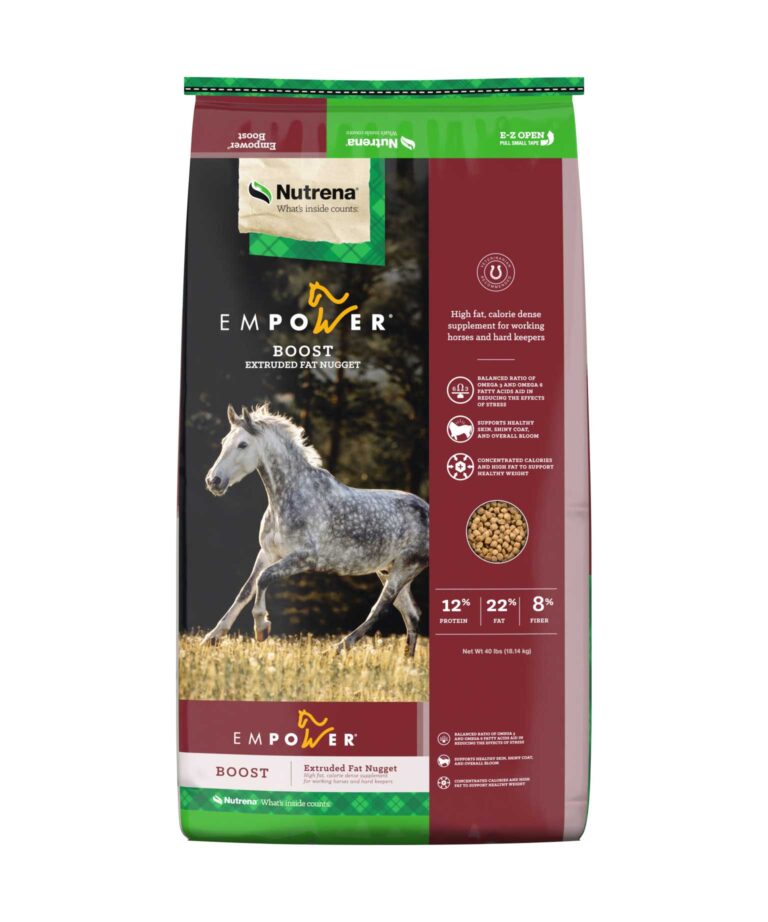
- High Fat: While high-fat feed isn’t always the answer, it does provide more calories to meet energy demands of hard keepers. Specifically, ProForce® Fuel and ProForce® Fuel XF are our highest calorie horse feeds, both with 13% fat guaranteed on bag. Empower Boost is a calorie dense supplement with 22% fat designed to be fed along with a traditional horse feed. It has highly digestible fat from plant sources, making it another great option for hard keepers.
- Highly Digestible Fiber: In addition to high fat, you also want to look for a feed with highly digestible fiber. The more easily digestible the fiber source is, the easier it is to efficiently extract nutrients and avoid stressing the digestive system. Nutrena SafeChoice® horse feeds and Nutrena ProForce® horse feeds have exclusive Nutri-Bloom Advantage®, which is a proprietary blend that helps improve digestive efficiency and extract more calories from the diet.
- Quality Protein: When horses have a lower Body Condition Score (Poor to Moderately Thin), it starts to impact their muscle growth and maintenance, especially in their topline. For this reason, higher
%protein and the right blend of Amino Acids is important. The best horse feed for weight gain should also offer a balance of amino acids including Lysine, Methionine, and Threonine, which are the most limiting in horses. Nutrena adds Topline Balance® Technology to all of our premium feeds, which includes those amino acids.
- Gut Support: For your horse to gain and maintain weight, they need to maximize nutrients and minerals. And for your horse to maximize nutrients and minerals, they need to have a healthy gut. That’s why it is important to choose a feed that supports the entire digestive tract from stomach to foregut to hindgut health. Check your feed tag to see if it includes ingredients like prebiotics, probiotics, postbiotics, and calcite – like our ProForce and SafeChoice products with Digestive Shield™, a proprietary blend of all of these ingredients.