

Common Conditions in Horses
Explore Equine Health Conditions and Nutrition Recommendations
-
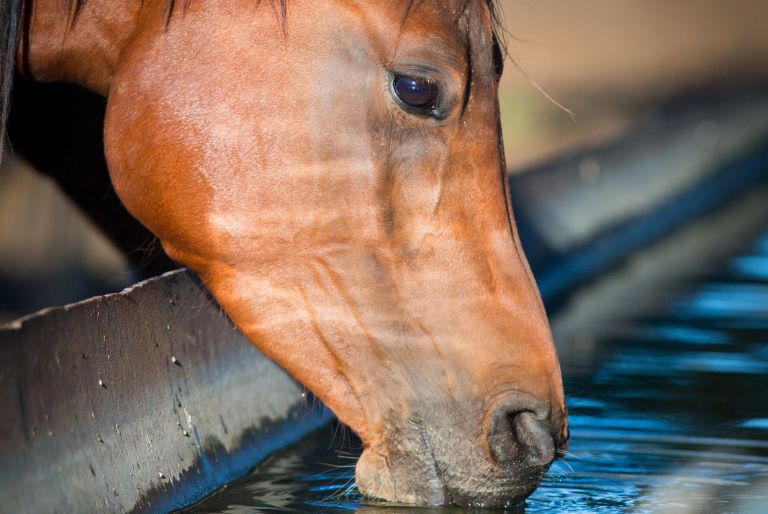
Equine Metabolic Syndrome
Equine metabolic syndrome is characterized by insulin resistance, obesity and an increased risk of laminitis, often requiring careful dietary and weight management.
Learn More -
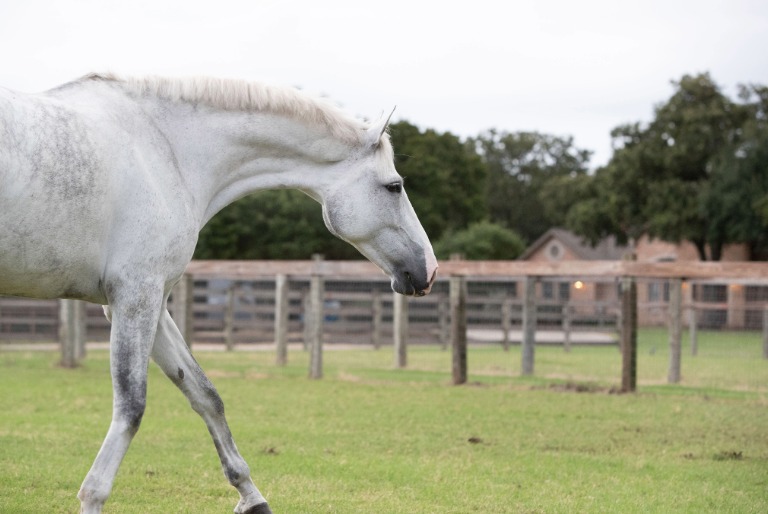
Recurrent Exertional Rhabdomyolysis
Recurrent exertional rhabdomyolysis is a muscle disorder that causes recurring episodes of muscle stiffness, pain and cramping associated with exercise.
Learn More -
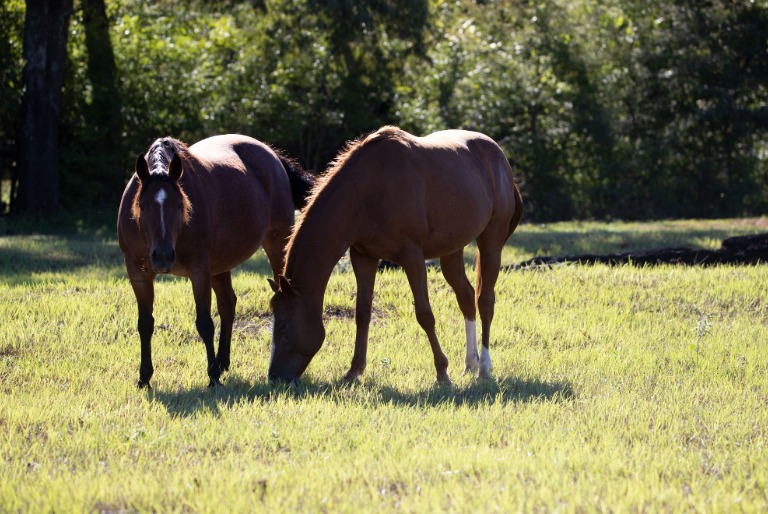
Equine Protozoal Myeloencephalitis (EPM)
Equine protozoal myeloencephalitis (EPM) is a neurological disease that can cause muscle weakness, incoordination and other signs of nervous system dysfunction.
Learn More -
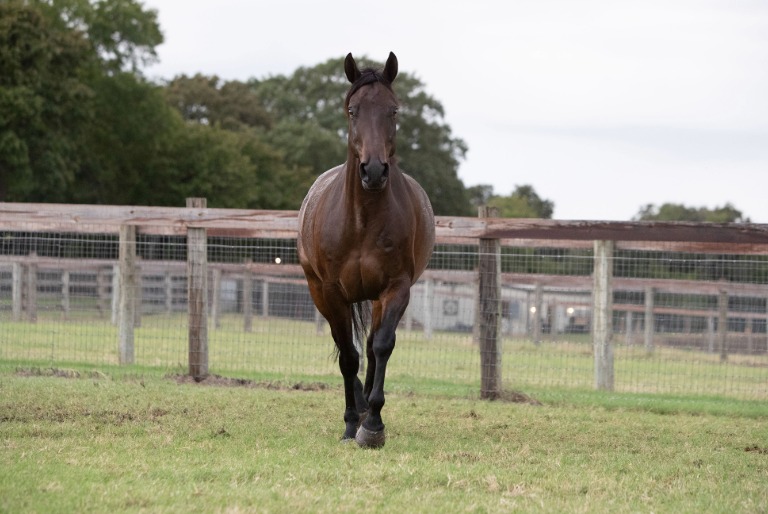
Polysaccharide Storage Myopathy
Polysaccharide storage myopathy (PSSM) is a muscle disorder that can cause muscle stiffness, pain, cramping and exercise intolerance in affected horses.
Learn More -
Hyperkalemic Periodic Paralysis
Hyperkalemic periodic paralysis (HYPP) is an inherited muscle disorder that can cause episodes of muscle tremors, weakness, paralysis and collapse in affected horses.
Learn More -

Renal and Hepatic Disease
Renal and hepatic disease can impair kidney or liver function, requiring careful nutritional management to support affected horses and reduce stress on these organs.
Learn More -
PPID
Pituitary pars intermedia dysfunction (PPID) is an endocrine disorder that can cause abnormal hair growth, muscle loss, increased thirst and urination, and an increased risk of laminitis.
Learn More -

Colic
Colic refers to abdominal pain in horses and can range from mild digestive discomfort to serious gastrointestinal conditions requiring immediate veterinary care.
Learn More -

Overweight Horses
Excess body weight can increase a horse’s risk of insulin resistance, laminitis and other health concerns, making appropriate nutrition and weight management essential.
Learn More -
Equine Laminitis
Equine laminitis is a painful inflammatory condition affecting the tissues that support the hoof, potentially leading to lameness and structural damage within the foot.
Learn More -
COPD/ Heaves
COPD, or heaves, is a chronic respiratory condition that can cause coughing, nasal discharge, exercise intolerance and difficulty breathing in affected horses.
Learn More -
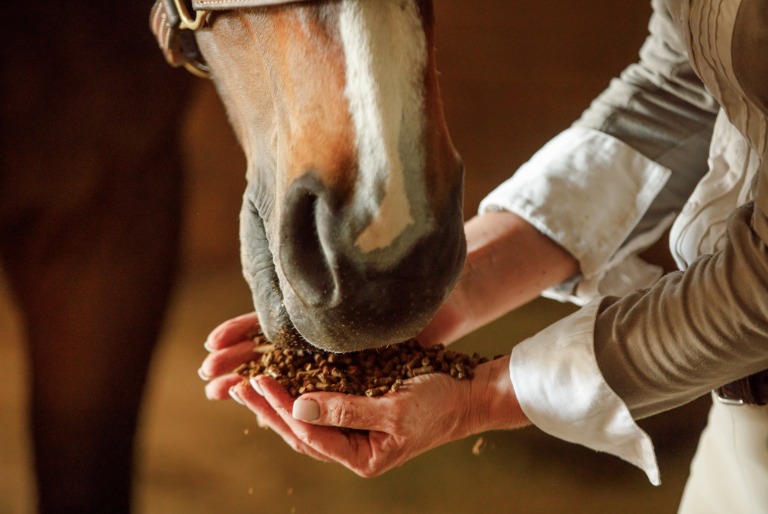
Underweight Horses
Underweight horses have inadequate body condition and may require increased calories and balanced nutrition to support healthy weight gain and overall well-being.
Learn More -
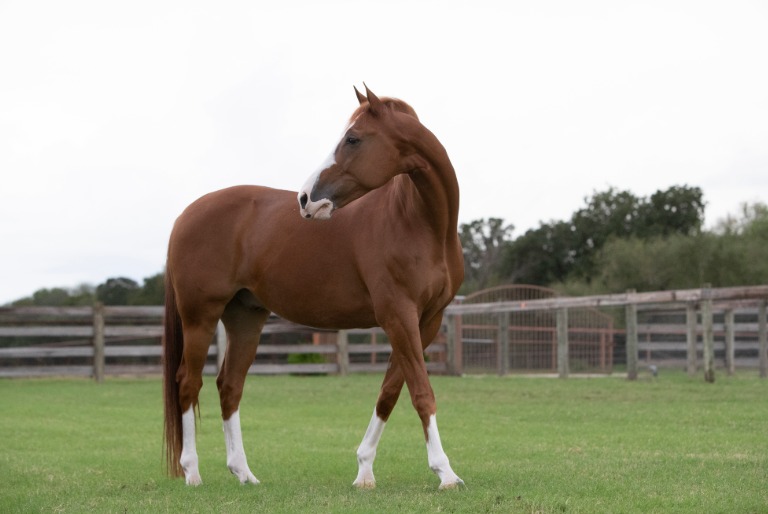
Malignant Hyperthermia
Malignant hyperthermia is an inherited muscle disorder that can cause a rapid rise in body temperature, muscle rigidity and other potentially life-threatening complications.
Learn More -
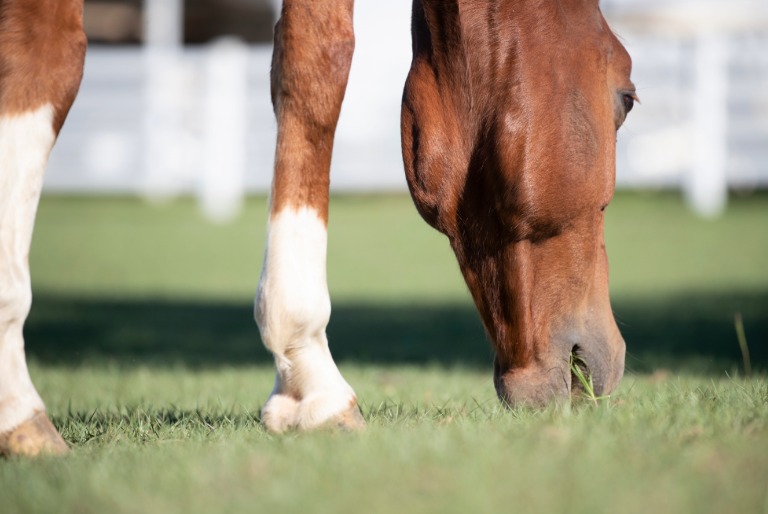
Equine Gastric Ulcers
Equine gastric ulcers are painful lesions of the stomach lining that can contribute to poor appetite, weight loss, behavioral changes and decreased performance.
Learn More -
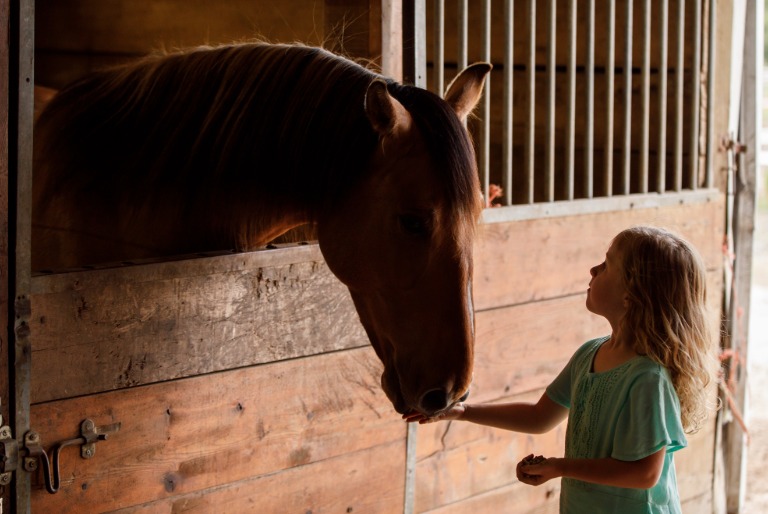
Neglected Horses
Neglected horses may experience poor body condition, muscle loss and nutrient deficiencies, requiring careful nutritional rehabilitation to support safe, gradual recovery.
Learn More

Veterinary Nutrition Toolkit
As an Educational Partner of the AAEP and a leader in equine nutrition research, Nutrena provides veterinarians with complimentary educational resources designed to support equine health, nutrition, and client education.
Our toolkit includes clinical disorder booklets, body condition scoring and topline evaluation handouts, weight tapes, rehabilitation resources, and more.
Interested in receiving veterinary nutrition tools for your practice?